


Base Camp

"Stay with me, I feel sick. I think I'm going to die."
These were the words I mumbled during my last encounter with alcohol. It was at that very moment that my wife did something she later described as one of the bravest decisions she had ever made – she asked me to leave her and our children for a while.
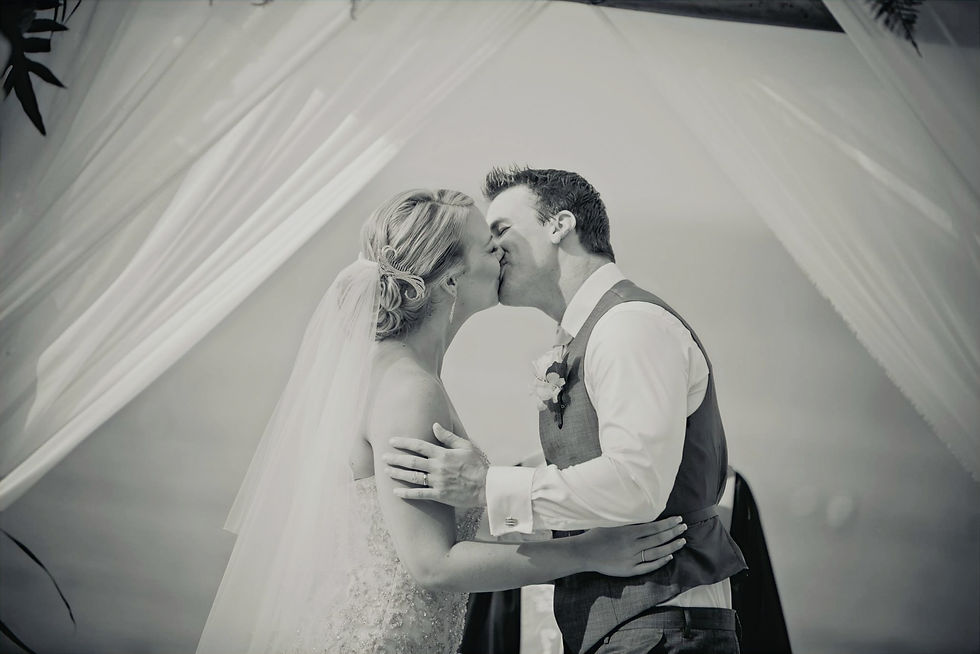
Rewind to 2014, I am standing on a pristine white beach on the island of Koh Samui, Thailand. The hot, humid sun beat down on me as my feet are nested in the sand. This was this same spot where I had married my wife, where we embarked on a life journey together. We went on to build a home, become parents, celebrated victories in our careers and personal lives, and supported each other through life's trials and tribulations. It appeared to be a harmonious and healthy life on the surface.
However, internally, a different story unfolded. I had been battling anxiety from a young age. The relentless feeling of insecurity followed me like a shadow, a constant reminder that something dreadful might happen unless I stayed within my comfort zone or sought solace with a select few who provided reassurance. Like waves relentlessly crashing against a towering boulder, the sense of inadequacy gradually wore me down, eroding my self-worth and self-esteem. I unknowingly lived in the shadow of those I admired, constantly comparing myself to them, unaware of the toll it was taking on my mental health.
As I grew older, my anxiety and stress grew more potent, and I sought solace in coping mechanisms. Alcohol became my refuge. I embraced it, but it didn't reciprocate my affection. It didn't solve my problems; it merely allowed me to bury them deeper. In my twenties, I could indulge in drinking without it severely impacting my daily life, but those responsibilities were far less than what I'd face later in my thirties. As time went on, my relationship with alcohol took a dark turn. Rather than using it for social enjoyment, I turned to it as an escape from pain, stress, and the inner voice that constantly told me I was falling short as a father and husband. Alcohol seemed like a temporary solution to make those problems disappear.
With every sip of alcohol, I found it nearly impossible to stop at just one. I later learned that my brain experienced dopamine spikes each time I was about to take another drink. To avoid the inevitable crash as my blood alcohol level dropped, I kept drinking. I would often drink until I passed out, sometimes even waking up with a half-empty bottle beside my bed. During my drinking sessions, not having a drink in hand triggered a sense of panic. There were days when I couldn't muster the strength to get out of bed, forcing my wife to rearrange her schedule to care for our kids or seek assistance from my mother because I was too intoxicated to function. Looking back, I feel profound shame.
My last encounter with alcohol involved a dangerous combination of two other drugs. I consumed it in secrecy, alone at home. I pushed my body and mind to their limits. I remember feeling uneasy and slightly dizzy, which soon escalated into waves of paranoia and nausea. My body screamed that it had had enough, and I couldn't ignore it any longer. I found myself lying on the bathroom floor, violently ill. My mind swirled with chaotic thoughts, and I feared I had finally pushed myself too far. I asked my wife to sit with me, and she did, as she had done so many times before, nursing me during my lowest moments. The next morning, I couldn't bear the weight of my secret any longer. I confessed to my family, overwhelmed by embarrassment, shame, remorse, fear, and a profound sense of worthlessness. I had hit rock bottom. I was asked to leave my home, my wife, and my children in order to confront my years long battle with alcohol abuse. My parents graciously took me in, just as they had always done, and two days later, I celebrated my thirty-sixth birthday with a view of the towering mountain I had to climb to regain the trust, love, and support of those who meant the most to me.
Alcohol had always been my security blanket, my crutch during times of emotional turmoil. You can imagine the sense of loss when that security blanket was taken away. In the initial days of sobriety, I felt nothing but remorse. I couldn't escape the regret of landing myself in another self-inflicted crisis. About a week later, the roller coaster of emotions began. When I felt up, I was elated; when I felt down, I sobbed. Years of pent-up pain and emotion surged out of me. I gradually began to realize that each emotional encounter I could pinpoint in my adult life had a connection to alcohol. Weddings, breakups, parties, deaths – you name it, any opportunity and I drowned myself in alcohol. As sobriety set in, I began to see the turmoil that had been lurking beneath the surface of that alcohol-fuelled facade – a rusted vessel, bogged down in a lake of insecurity.
Time passed, hearts healed, including my own. I started opening up to others about my struggles, both past and present. Many were sympathetic and understanding, some even confessing that they too had faced similar battles.
I have proudly completed over one year of sobriety, a journey accompanied with ups and downs. One of the challenges I face is battling envy. Why can others enjoy a drink or two while I remain feeling the odd one out? It's because I can't stop at just a few drinks. The truth is, I don't merely want a few drinks; at times, I crave the sensation of alcohol soaking in my veins. It's not about the social aspect, as a significant portion of my drinking was done in isolation. It was about escaping, numbing myself from reality.
Facing the world as a sober man after relying on substances for so long (since the age of fourteen) has been a liberating experience. I've learned a great deal about how my body and mind function, and I've worked towards getting better at soothing myself and navigating my emotions. Each week, I improve in identifying what triggers my negative thoughts when I'm feeling down and finding ways to overcome them. I now focus on engaging in challenges, confronting them head-on, prevailing, and emerging stronger. That towering mountain still needs conquering and as I sit here at base camp looking up, I recognise that the journey I am walking will forge a path for others who also seek the strength to climb.
I am stronger as a man, improved as husband, looked up to as a father. I take immense pride in my achievements and look forward to my future with optimism and hope. It's my imagination that propels me forward, as I aim to lead a life that truly matters.

Comments